Walk into any furniture store and you will see rows of tables, desks, and beds that look solid. But look closer — flip them over, open the drawers, run your hand along the underside. What you will find is particle board, staples, and veneer over cardboard.
This is not furniture. It is disposable product disguised as furniture. And it is designed to be replaced, not repaired.
The Difference Is in the Construction
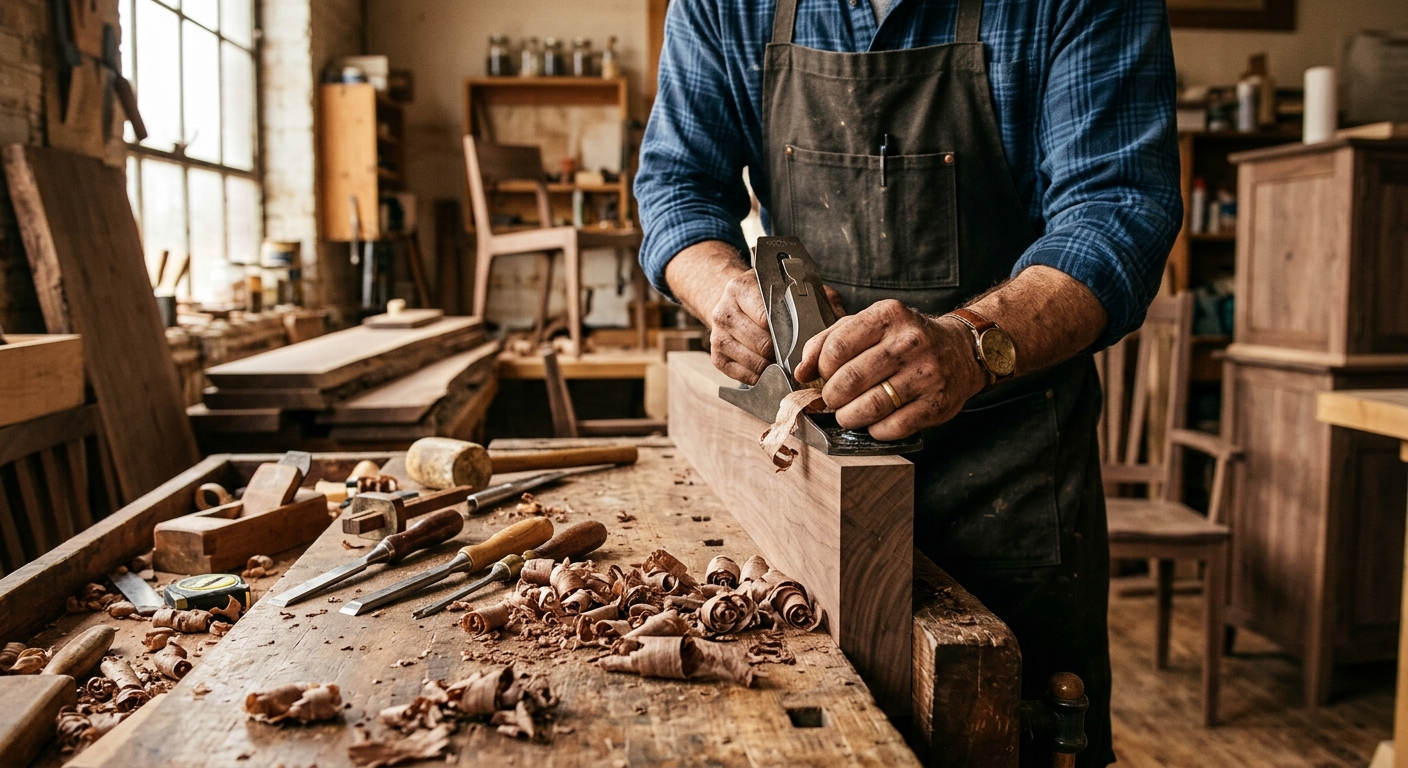
Handcrafted furniture is built differently from the inside out. At Thomas Creations, we use mortise and tenon joints, dovetail drawers, and solid wood panels — the same techniques that have held furniture together for centuries. No staples. No cam locks. No particle board.
When a mass-produced table wobbles after two years, it is because the joints were never strong enough to begin with. When a handcrafted table wobbles after twenty years, a craftsman can tighten the joint and make it solid again.
Solid Wood Ages Beautifully
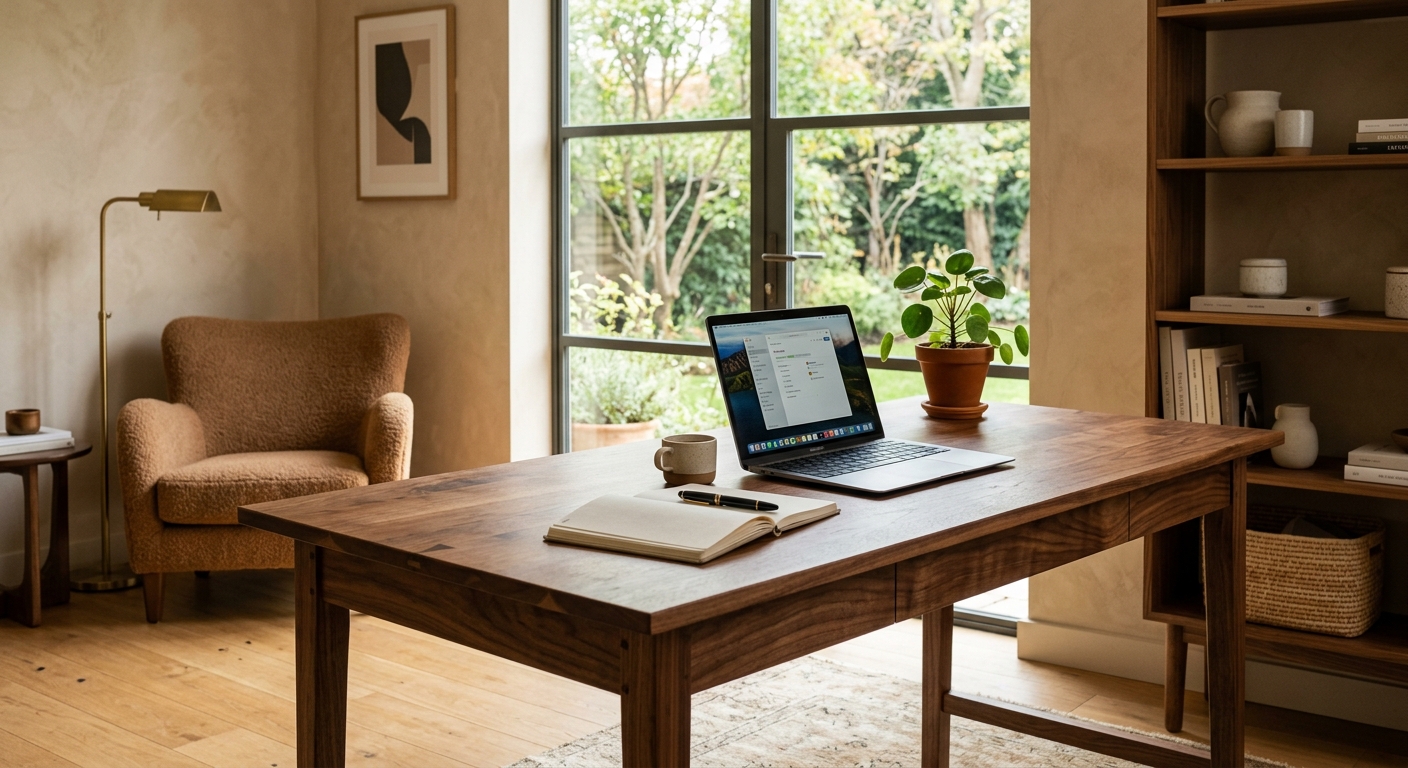
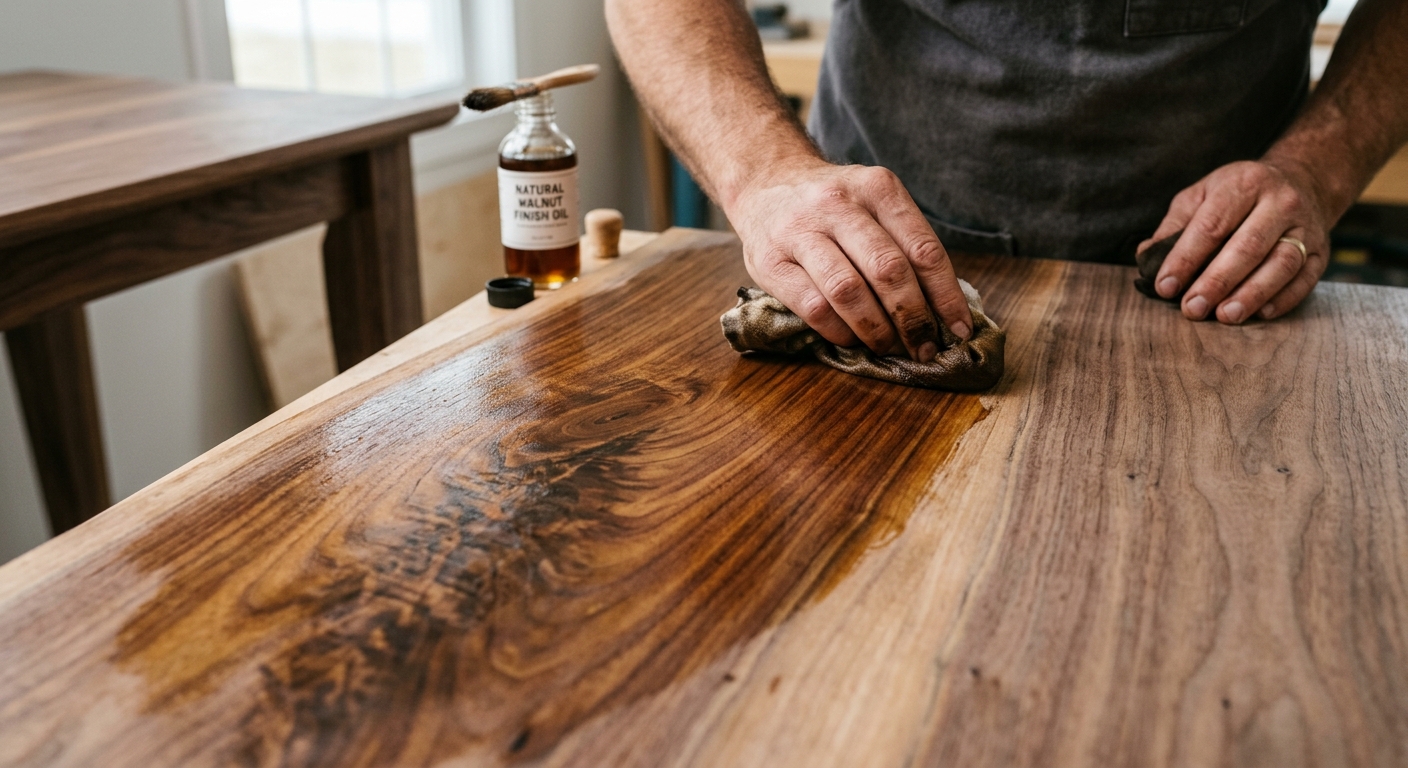
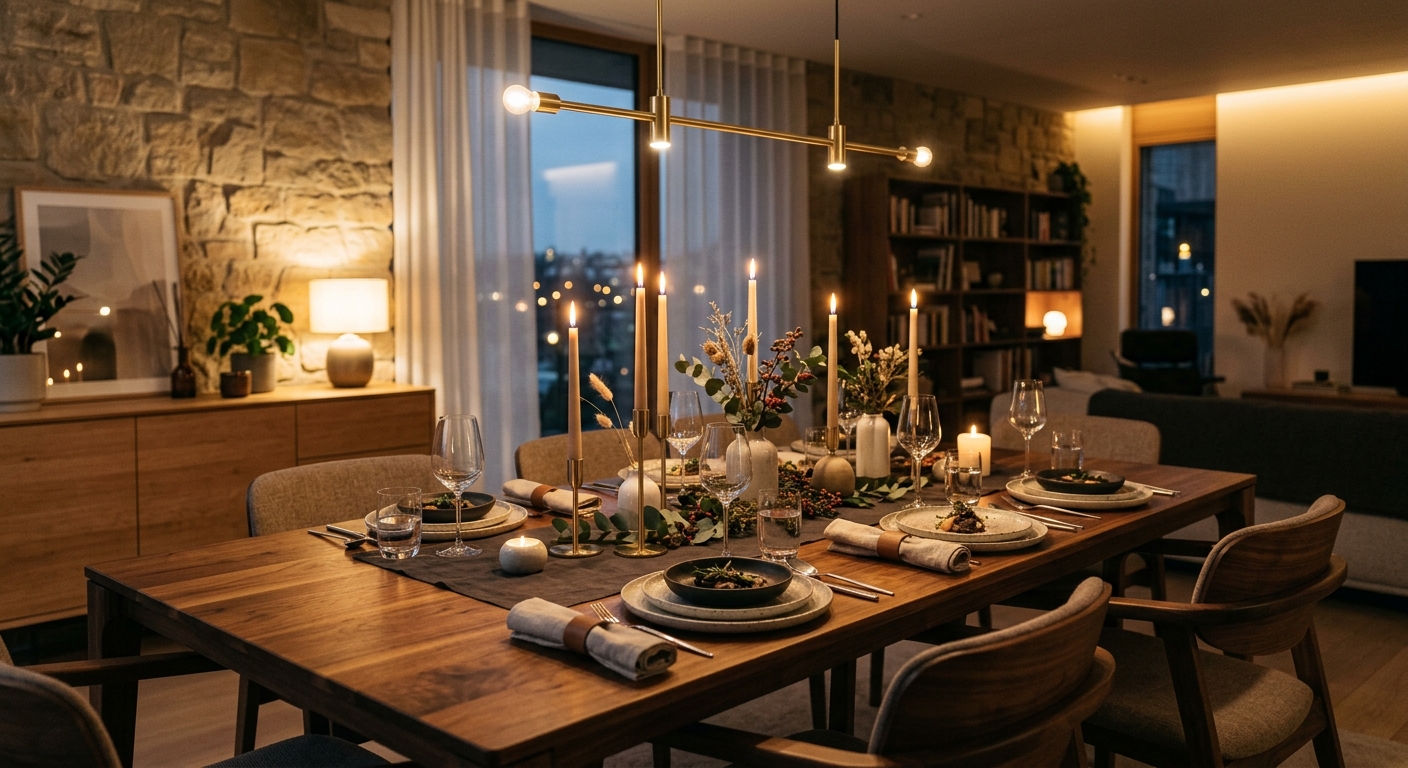
Veneer scratches show white plastic underneath. Solid wood scratches can be sanded out and re-finished. Veneer fades in sunlight. Solid wood deepens and richens. A walnut dining table built today will look better in 2035 than it does now.
The True Cost of Cheap Furniture
A $300 particle-board desk that lasts 4 years costs $75 per year. A $400 solid walnut desk that lasts 40 years costs $10 per year. The math is simple — but most people never do it because the upfront cost feels high.
Environmental Impact
Every year, Americans throw away 12 million tons of furniture. Most of it is particle board and MDF that cannot be recycled, repaired, or reused. It ends up in landfills. Solid wood furniture, by contrast, can be refinished, re-sold, or passed down. It is the most sustainable choice you can make for your home.
What You Are Really Paying For
When you buy handcrafted furniture, you are paying for a person's time and skill. You are paying for wood that was selected, dried, and milled properly. You are paying for joints that were cut by hand and fitted precisely. And you are paying for a piece that will still be in your home long after the mass-produced alternative has been forgotten.